
Managing off-site staff, field crews, and multi-location operations brings distinct operational advantages, but it also introduces operational vulnerabilities like timekeeping accuracy.
Many growing organizations rely on entry-level mobile tracking apps to bridge the gap. While a basic digital punch-in tool works for a handful of staff, it quickly breaks down as operations scale. An enterprise-level remote time clock does far more than record punches and timeslots, it protects payroll accuracy, enforces labor standards, and keeps your organization audit-ready.
Moving Beyond Basic Apps to Configurable Workforce Systems

Basic mobile clock-in utilities often create more headaches than they resolve. When off-site workers self-report timestamps without integrated verification or business logic, the administrative responsibility fallout lands squarely on HR and payroll teams. Manual timecard corrections, back-and-forth email chains over missing punches, and retroactively adjusted timesheets eat up valuable administrative hours. Worse, unverified hours introduce compliance risks under the Fair Labor Standards Act (FLSA) regarding compensable hours and overtime calculation.
Remote time systems capture precise daily attendance while embedding organizational policies directly into the clock-in workflow. By applying configurable rules the second an employee punches in, companies maintain consistent governance across every job site, home office, or field assignment.
Prioritizing Real-Time Manager Oversight and
Approval Workflows
Enterprise timekeeping relies on centralized supervisor dashboards that provide live visibility into team hours, active assignments, and shift coverage.
Real-time visibility transforms how managers handle timecard exceptions:
- Automated exception alerts: Systems instantly identify missed punches, early departures, and unauthorized overtime as they occur, not days after the pay period has closed.
- Proactive corrections: Managers address attendance variances immediately while details are fresh, avoiding frantic end-of-month administrative scrambles.
- Decentralized approvals: Configurable workflows allow field leads and department heads to review, edit, and approve timesheets from any browser or mobile device.
Catching errors during the shift prevents payroll delays and keeps labor budgets predictable.
Enforcing Timekeeping Policies and Protecting Historical Records
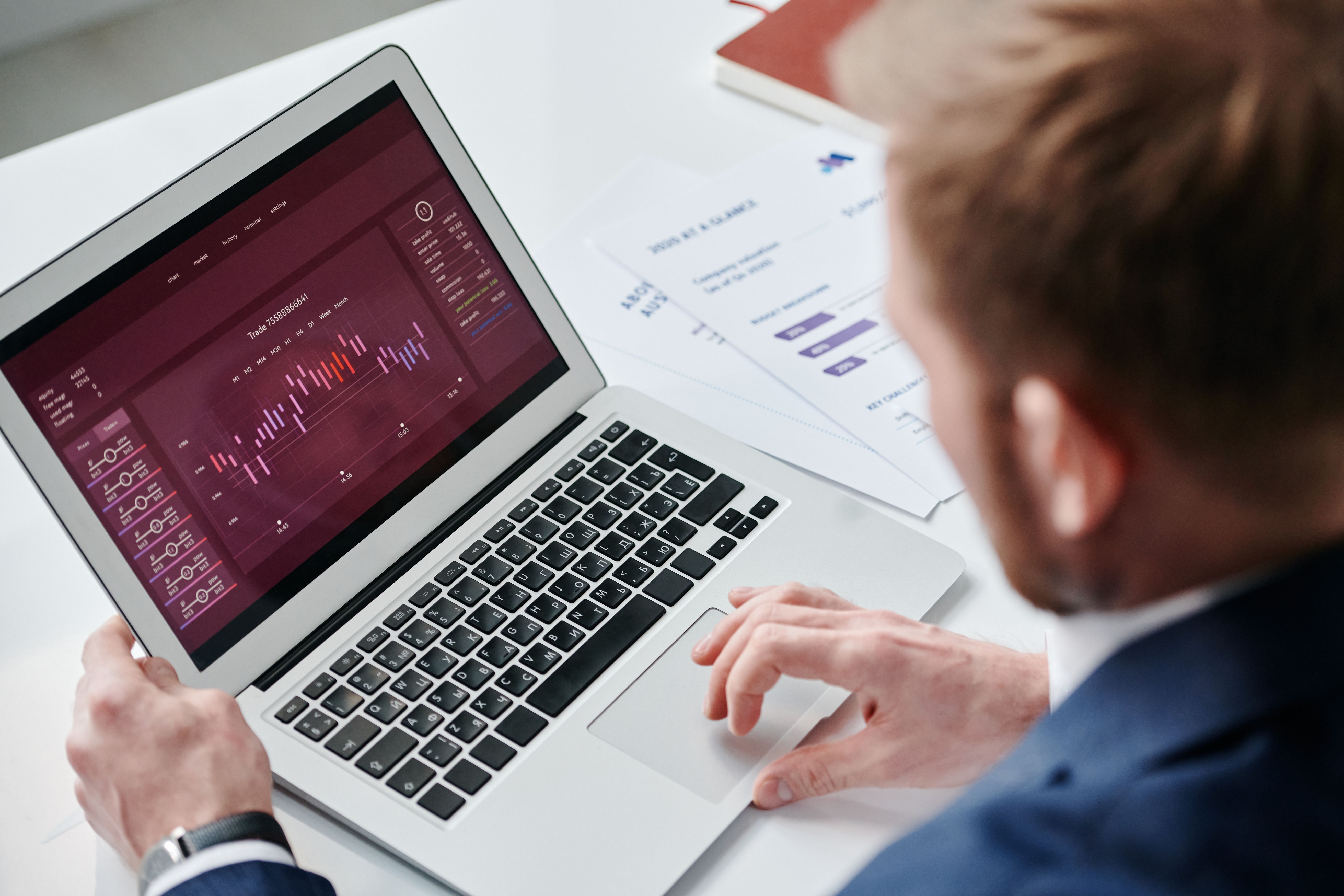
Consistent policy enforcement is one of the toughest challenges of managing a distributed team. A scalable timekeeping infrastructure automates compliance checks rather than relying on manual oversight:
- Meal and rest break enforcement: System prompts remind employees to log mandatory breaks, reducing risk around statutory rest mandates.
- Overtime control: Automated threshold alerts notify managers before employees cross into premium overtime hours.
- Tamper-evident audit trails: Digital records capture exact timestamps, IP data, and change histories for every punch.
Should a wage dispute or internal audit arise, centralized historical records provide verifiable proof of hours worked. Maintaining defensible, immutable time logs safeguards the organization against costly wage-and-hour litigation and off-the-clock claims.
Unifying Remote Time Tracking and Payroll

When shift logs live apart from scheduling and payroll engines, teams spend days manually re-entering hours, calculating differentials, and reconciling missing punches.
Connecting a robust remote time clock directly to unified scheduling and payroll infrastructure closes the loop. Off-site attendance data flows seamlessly into payroll calculations without manual handling. The result: reduced administrative overhead, eliminated data silos, and a fully compliant workforce management process that scales alongside your business.