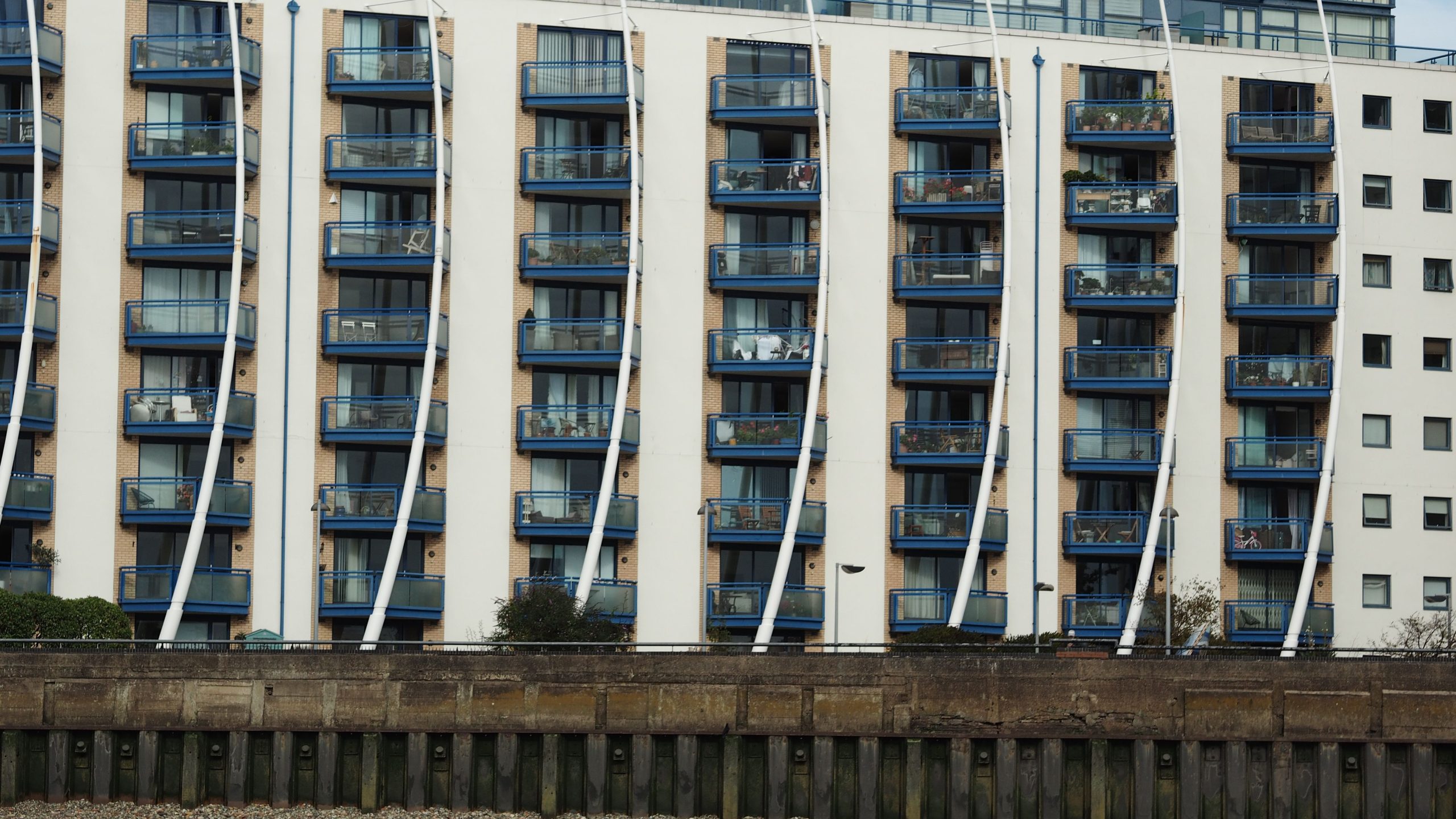
Balconies look like a simple feature of a building, but in fire safety terms they can be a route for flames and smoke, a store for combustible items, and part of the structure that residents rely on to escape. In the UK, the rules that apply to balconies depend on the type of property, who owns or controls it, and which part of the UK it is in. This guide explains the main legal framework in England and Wales, the risks that property owners and landlords should understand, and the practical steps that help keep people safe.
Table of Contents
- Who is responsible for balcony fire safety?
- The legal framework at a glance
- Common balcony fire risks
- Balcony materials, decking and cladding
- Fire risk assessments and balconies
- Landlord and owner duties checklist
- Resident responsibilities and good habits
- Frequently asked questions
- Closing thoughts
Who is responsible for balcony fire safety?
The answer depends on whether the balcony belongs to a single house or forms part of a building with several homes. In a block of flats, the balcony is usually treated as part of the building’s structure and external walls, which means the duties sit with the person in control of the building. Under the Regulatory Reform (Fire Safety) Order 2005, this person is known as the “responsible person”. In practice, this is often the freeholder, management company, managing agent or housing provider.
Responsibility typically falls to the following groups:
- Blocks of flats: the responsible person, who must assess fire risks in the building’s structure, external walls and common parts.
- Houses and single-occupier homes: the owner or occupier, who should still take reasonable steps to reduce fire risk on the balcony.
- Rented homes: the landlord, who has wider duties to keep the property safe and provide safety information to tenants.
- Leasehold properties: the lease often sets out who maintains and insures the balcony, so the lease should be checked alongside the law.
Because the responsible person in a block of flats can be liable for remediation work, it is important for owners and managing agents to understand exactly which parts of the building they are accountable for.
The legal framework at a glance
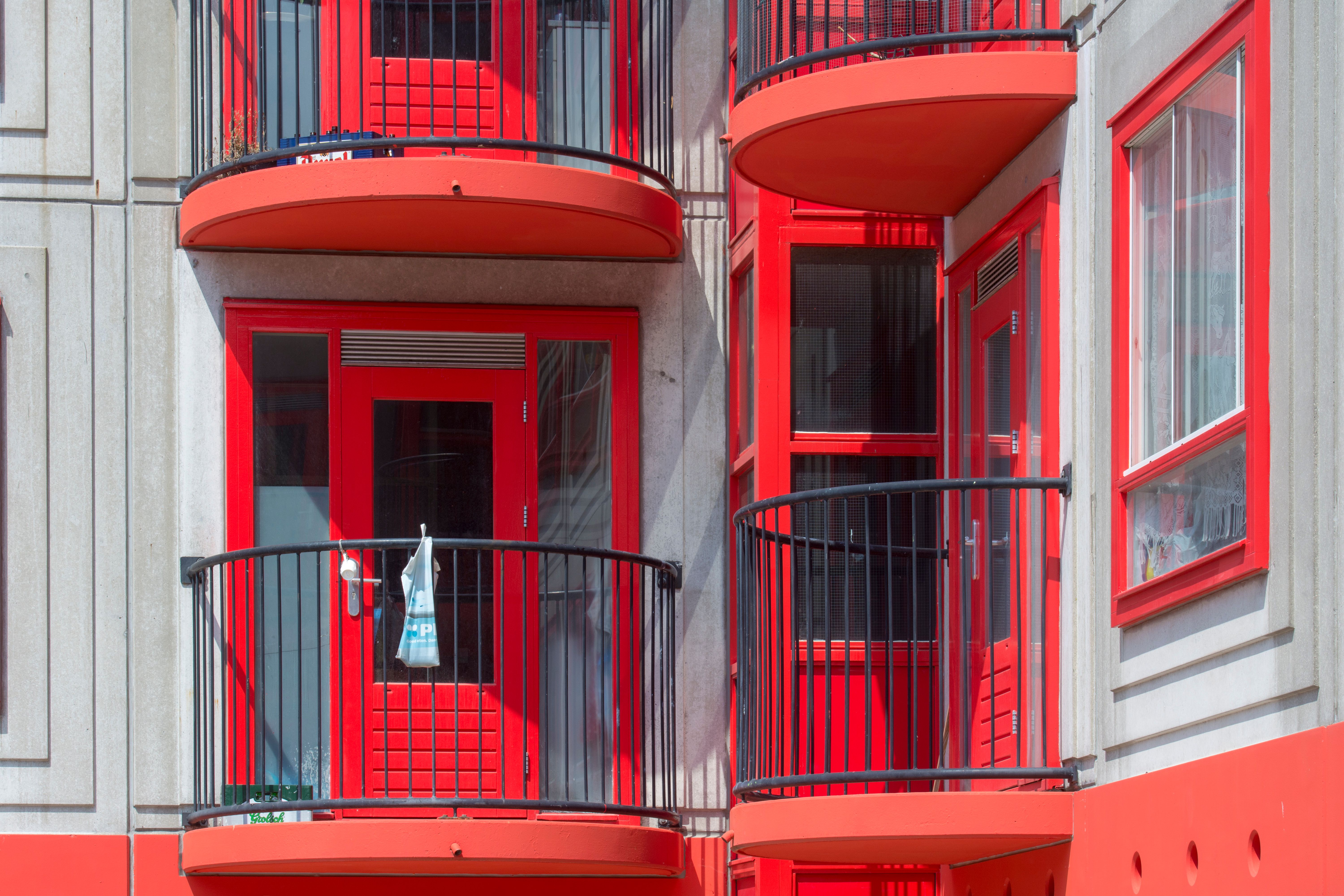
Several laws overlap when it comes to balconies, and each one plays a different role. The table below gives a simplified overview for England and Wales. Scotland and Northern Ireland operate under separate fire safety legislation, so anyone managing property there should check the rules that apply locally.
The Fire Safety Act 2021 is particularly important for balconies. It clarified that the Fire Safety Order covers the structure and external walls of multi-occupied residential buildings, including balconies, cladding and insulation. The government’s Fire Safety Act 2021 guidance explains that responsible persons must consider these elements when carrying out fire risk assessments.
Common balcony fire risks
Balconies create fire risks in several ways, and many of them come from everyday use rather than the building itself. The most common hazards include:
- Barbecues and heaters: gas and charcoal barbecues, patio heaters and portable heaters placed too close to walls or furniture.
- Smoking materials: discarded cigarettes and ash can ignite flammable items stored nearby.
- Stored combustibles: gas cylinders, paint, cleaning fluids, old furniture, cardboard and bicycles.
- Cooking equipment: outdoor cookers and pizza ovens used close to doors or windows.
- Electrical equipment: extension leads, cheap lighting strings and charging devices left running unattended.
- Vertical fire spread: flames escaping from a window below can reach a balcony above, particularly where the external wall system contains combustible materials.
For landlords and building managers, the main concern is often not a single balcony but the way fire could spread between units. This is why the fire risk assessment should look at the whole external wall system, not just the balcony floor.
Balcony materials, decking and cladding
The materials used on a balcony affect how easily fire can start and spread. Timber decking, for example, is widely used but is combustible unless it has been treated and tested to a suitable standard. Many owners now consider aluminium decking as an alternative because it is durable, needs little maintenance and does not burn in the way timber does. It is still important to check the fire performance of the complete balcony system, including fixings, substrates, insulation and any surface finishes, rather than assuming that one component solves the whole problem.
When assessing balcony materials, owners and landlords should look at:
- The reaction-to-fire classification of decking, panels and surface coatings.
- Whether any insulation or cladding behind the balcony is combustible.
- The condition of fixings, brackets and railings, which can fail under heat.
- Any documentation from the installer or manufacturer confirming test results.
- Whether the balcony has been altered since the building was first constructed.
Fire risk assessments and balconies
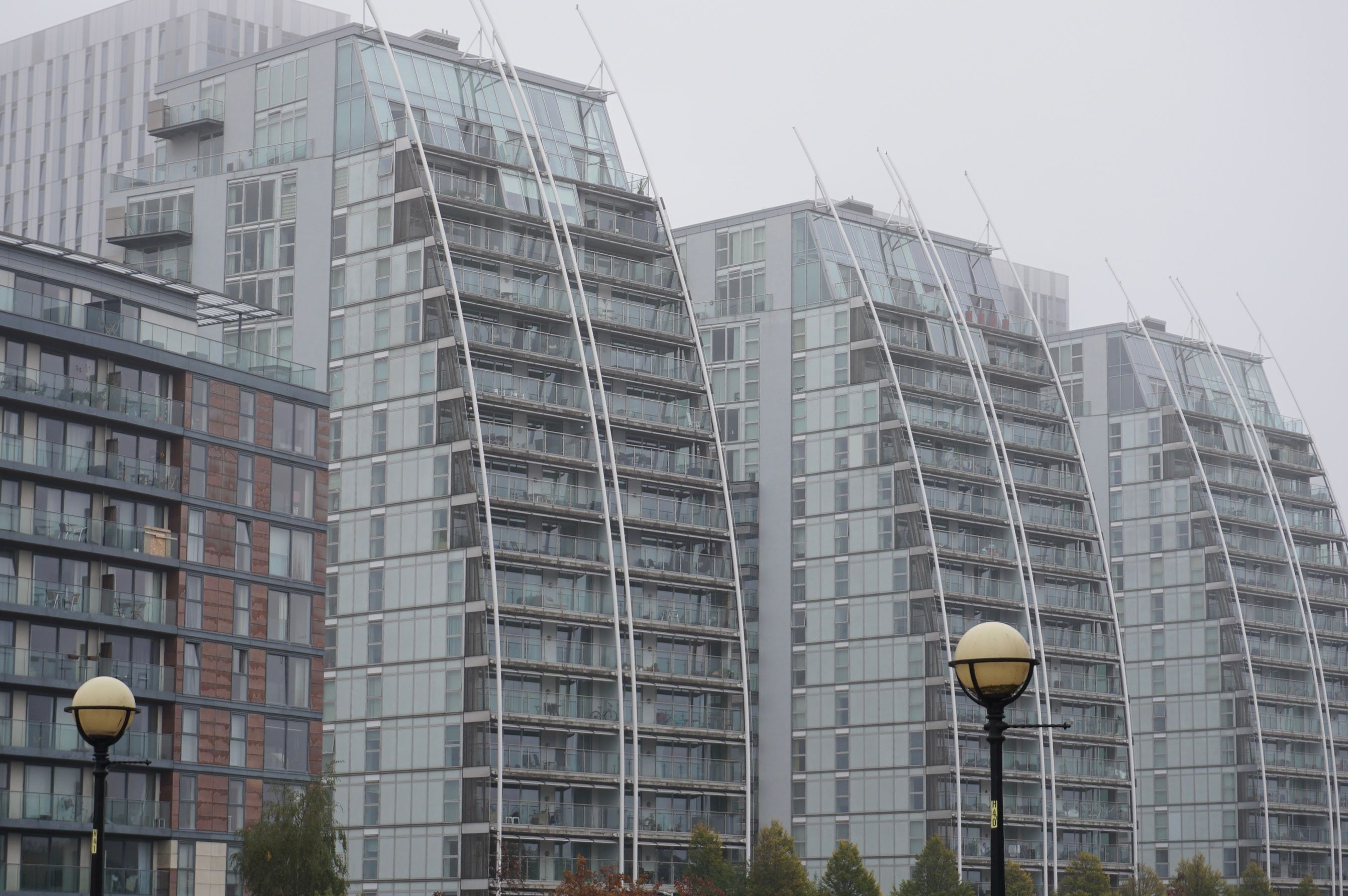
A fire risk assessment is the starting point for any compliance decision. For a block of flats, the assessment must cover the common parts and, following the Fire Safety Act, the building’s structure and external walls. Where there are concerns about combustible materials in the external walls, the assessor may recommend a more detailed fire risk appraisal of the external walls (FRAEW).
A balcony-focused assessment usually covers:
- Whether balconies form part of an escape route or a place of refuge.
- The materials used for the balcony floor, balustrades and any cladding.
- Whether residents are likely to store or use combustible items on balconies.
- The position of balconies relative to windows, doors and neighbouring units.
- Whether fire doors, alarms and emergency lighting serve areas that connect to the balcony.
- Any previous incidents or near misses.
Assessments are not a one-off task. They should be reviewed regularly and after any significant change, such as new cladding, a change of use or a refurbishment.
Landlord and owner duties checklist
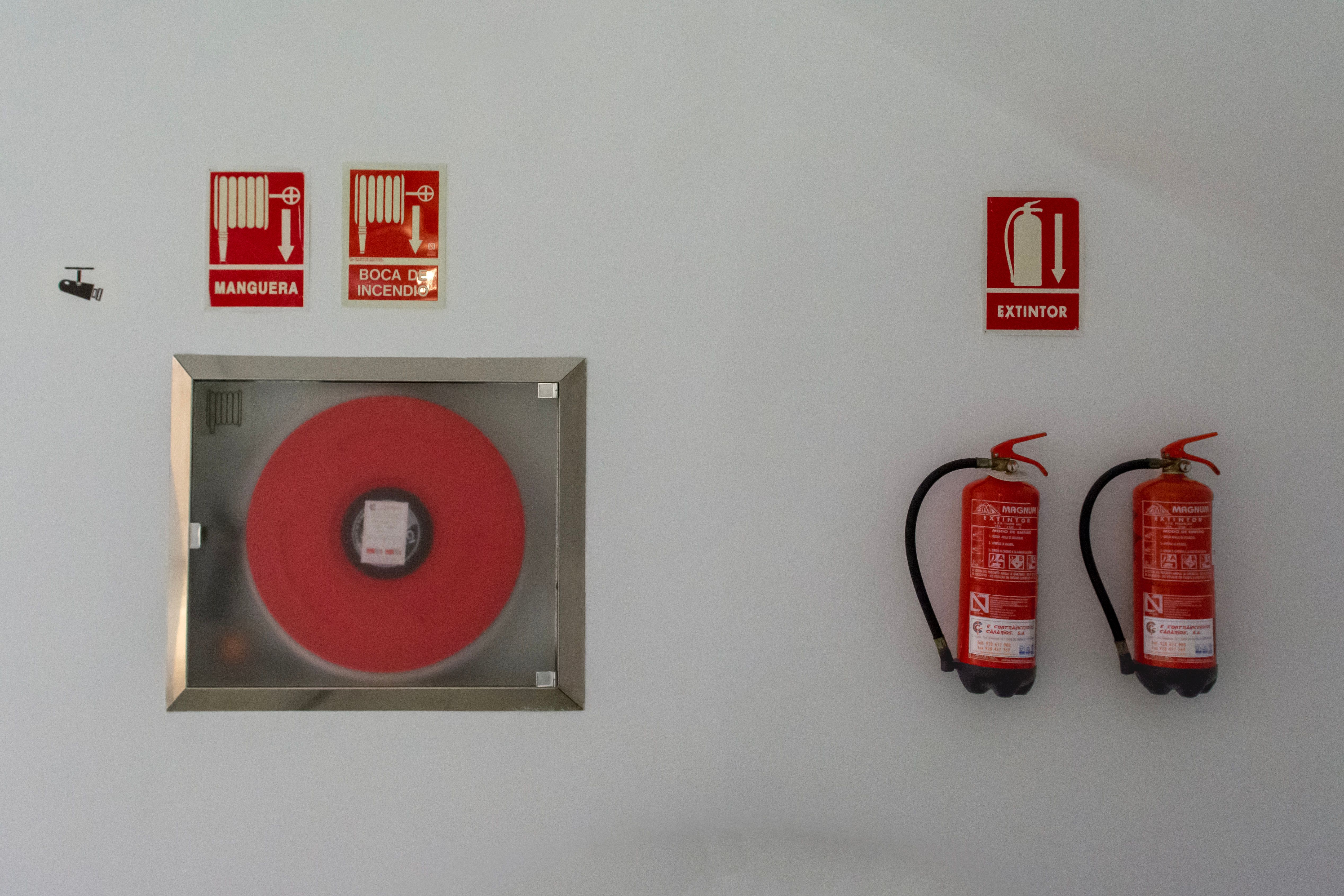
Landlords and property owners can use the following checklist to review their balcony fire safety arrangements. It is a practical starting point rather than a substitute for professional advice.
- Confirm who the responsible person is for the building or property.
- Obtain a current fire risk assessment that includes the balconies and external walls.
- Check whether a FRAEW has been recommended and, if so, what action is planned.
- Keep records of all assessments, inspections, maintenance and remedial work.
- Provide tenants with written fire safety information and clear instructions on what to do in a fire.
- Set out, in the tenancy agreement or residents’ guide, any rules about barbecues, heaters and storage on balconies.
- Ensure smoke alarms and, where required, carbon monoxide alarms are fitted and tested.
- Review insurance policies to confirm they reflect the building’s current fire risk.
Landlords should also be aware that tenants may ask questions about balcony safety, and that clear, documented answers help build trust and reduce disputes.
Resident responsibilities and good habits
Residents play an important role in balcony fire safety, even though they rarely control the building’s structure. Simple habits can make a significant difference:
- Use barbecues and patio heaters only where the manufacturer and the lease or tenancy allow it, and keep them well away from walls, doors and furniture.
- Never leave a barbecue or heater unattended, and make sure it is fully cold before disposing of ash.
- Dispose of cigarettes in a proper ashtray filled with water or sand.
- Keep balconies clear of rubbish, cardboard and unused items that could catch fire.
- Avoid storing gas cylinders on balconies unless specifically permitted.
- Report damaged railings, loose cladding or defective fire doors to the managing agent or landlord promptly.
- Know the building’s evacuation plan, including whether residents should stay put or leave immediately.
Residents can also check the government’s residents’ guide to fire safety in blocks of flats, which explains what the responsible person must do and how residents can check that their concerns are being addressed.
Frequently asked questions
Who is responsible for balcony fire safety in a block of flats?
In most blocks of flats in England and Wales, the responsible person is the freeholder, management company, managing agent or housing provider who controls the common parts and external structure. They must include balconies and external walls in the fire risk assessment.
Can I use a barbecue on my balcony?
It depends on your lease or tenancy agreement, the building’s fire risk assessment and the type of barbecue. Many managers restrict or ban them on flats. Where they are allowed, use them away from walls and doors and never leave them unattended.
What is a FRAEW?
A fire risk appraisal of external walls is a more detailed assessment of the external wall system, including cladding, insulation, cavity barriers and fixings. It is usually recommended where there are concerns about combustible materials or a material risk of fire spreading across the external walls.
Does the law differ in Scotland and Northern Ireland?
Yes. Scotland and Northern Ireland have their own fire safety legislation and guidance. Anyone managing property in those countries should check the rules that apply there, as the Regulatory Reform (Fire Safety) Order 2005 applies in England and Wales.
Closing thoughts
Balcony fire safety in the UK is shaped by overlapping laws, changing guidance and the practical realities of how people use outdoor space. Property owners and landlords who understand who is responsible, keep their fire risk assessments current and communicate clearly with residents are in a much stronger position to prevent fires and respond quickly if one occurs. When in doubt, a competent fire risk assessor or a solicitor familiar with leasehold and tenancy law can help you work out the right next step for your building.