Managing dust is one of the biggest challenges in industries such as construction, mining, demolition and waste management.
Fine dust particles not only affect air quality but also pose serious health risks and can lead to regulatory non-compliance.
A well-designed dust control strategy protects workers, equipment and the surrounding environment while ensuring compliance with health and safety standards.
This is where dust suppression systems play a crucial role.
The Importance of Dust Control
Dust is more than just an inconvenience. It can cause respiratory illnesses such as asthma and silicosis when inhaled over long periods.
In industrial environments, it can also obscure vision, reduce machinery efficiency, and increase the risk of fire or explosion in certain conditions.
Environmental regulators impose strict limits on dust emissions, meaning that businesses must adopt reliable dust control methods.
Implementing a dust management strategy is therefore both a legal necessity and a moral responsibility for organisations that value safety, sustainability and reputation.
How Dust Forms in Industrial Environments
Dust is generated through a range of activities, including cutting, crushing, drilling, loading, and transporting materials.
In dry or windy conditions, it can easily become airborne and travel long distances, impacting nearby communities and ecosystems.
Understanding how and where dust forms allows businesses to target the problem effectively.
High-risk areas such as haul roads, crushers, conveyors and waste handling sites require specific suppression solutions tailored to their conditions.
The Principles Behind Dust Suppression
Dust suppression works by preventing dust particles from becoming airborne or by capturing them once they are released. Water-based systems are the most common, as water binds dust particles, increasing their weight so they settle quickly.
However, using water alone is not always efficient. Excessive water can create muddy conditions, damage materials, and waste resources.
Modern systems often combine water with additives that enhance binding and wetting properties, delivering longer-lasting control with minimal waste.
Types of Dust Suppression Systems
There are several types of dust suppression systems, each designed for different operational needs.
- Misting Systems
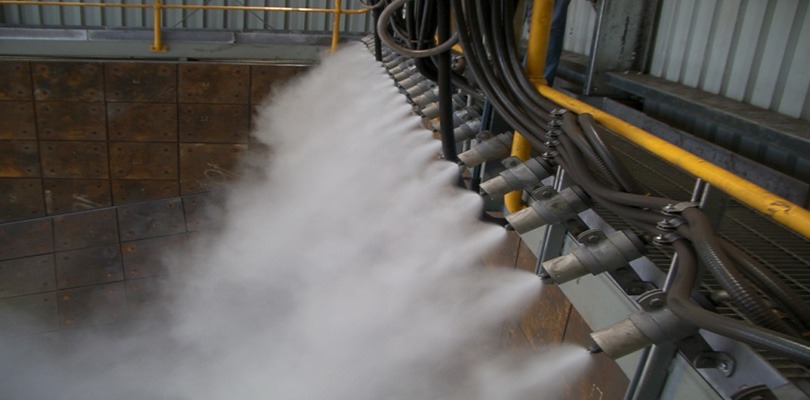
Misting systems create a fine mist of water droplets that capture airborne dust particles. These systems are ideal for areas where dust needs to be contained without over-wetting surfaces, such as in material handling or demolition. - Fog Cannons
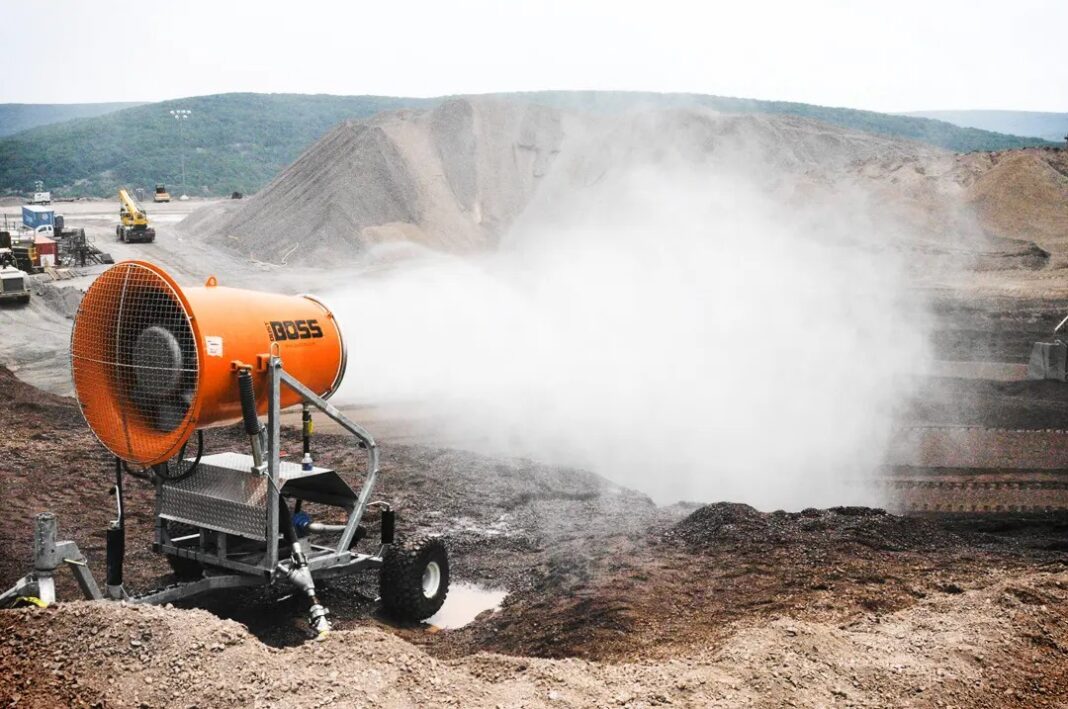
Fog cannons project a high-pressure mist over large areas, effectively capturing dust at its source. They are particularly effective for open environments like quarries, stockpiles, and recycling centres. Their portability and range make them suitable for temporary or mobile operations. - Fixed Spray Systems
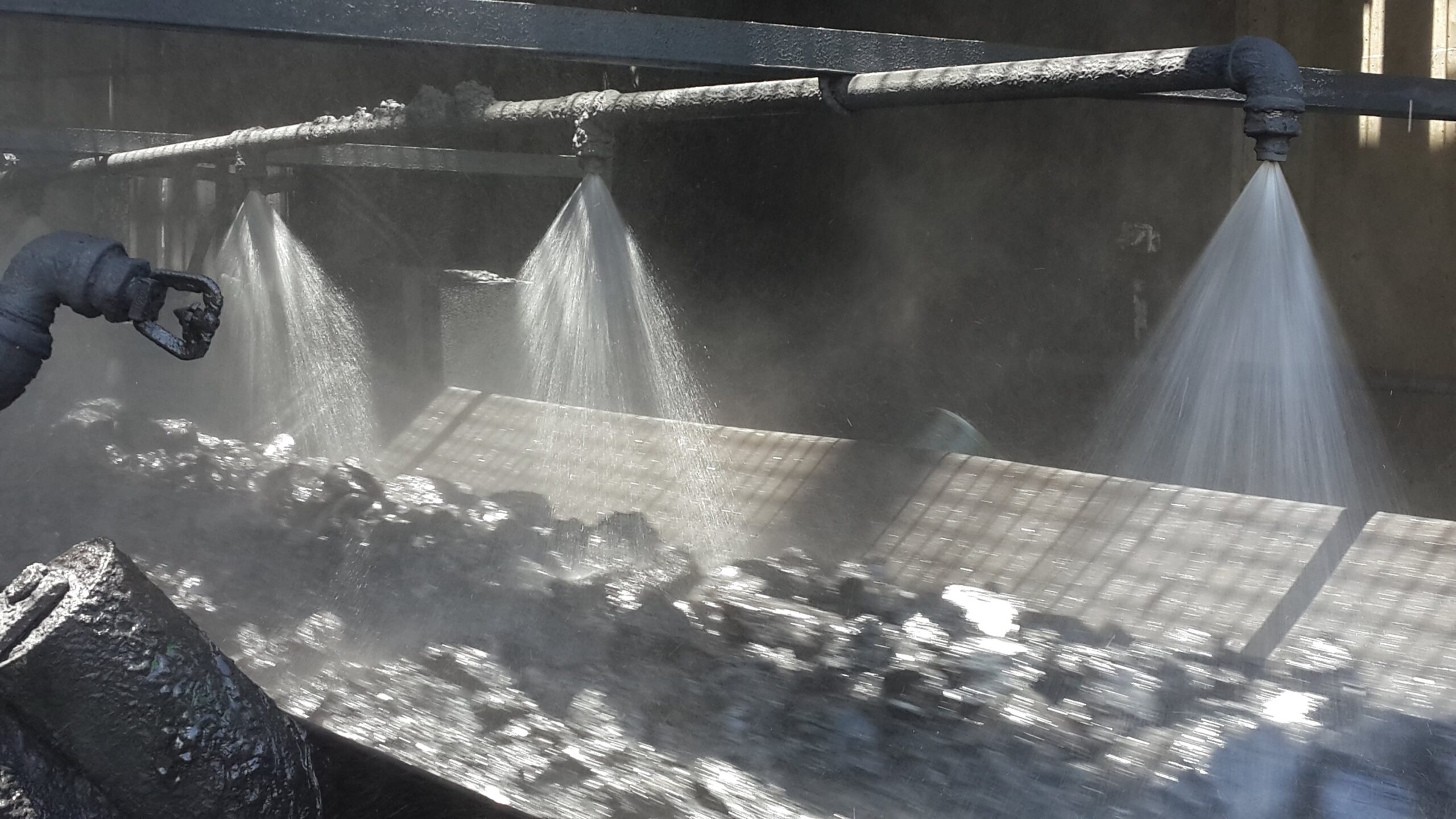
Installed along conveyors, crushers, and transfer points, fixed spray systems deliver consistent suppression at key dust generation areas. They are cost-effective and easy to automate, ensuring continuous dust control during operations. - Road Dust Control Systems
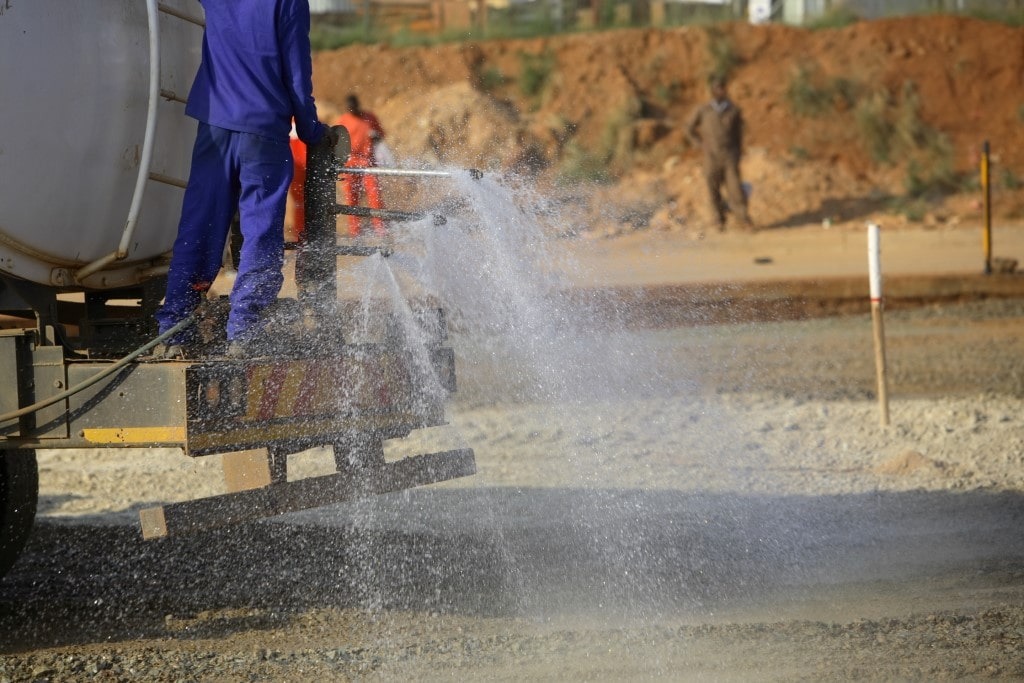
Haul roads and access tracks are major sources of airborne dust. Road suppression systems apply water or eco-friendly binding agents to stabilise surfaces and reduce dust emissions caused by vehicle movement.
Benefits of Using a Dust Suppression System
A well-designed dust suppression system offers multiple operational, environmental, and financial benefits. It improves air quality, protecting workers and nearby communities from harmful particulates.
Reduced airborne dust means less contamination of machinery and products, leading to lower maintenance costs and improved efficiency.
From a regulatory perspective, using advanced suppression systems demonstrates a company’s commitment to environmental responsibility and compliance. This can enhance reputation, minimise fines, and help secure future contracts.
Sustainable Dust Control Solutions
Modern dust suppression technology is increasingly focused on sustainability. Many systems are designed to use minimal water while maximising efficiency through intelligent sensors and automation.
Some solutions integrate recycled water or biodegradable additives, ensuring environmentally responsible operation without compromising performance.
Automation also plays a key role. Smart control systems can monitor dust levels and weather conditions in real time, adjusting spray intensity as needed.
This precision approach ensures optimal performance with minimal waste, aligning with both environmental and cost-saving goals.
Choosing the Right System for Your Site

Selecting the most effective dust suppression solution depends on several factors, including the size of the site, type of material, dust generation points, and environmental conditions.
Site assessments can help determine whether mobile or fixed systems are most appropriate.
For instance, construction sites may benefit from portable fog cannons for flexibility, while quarries often require permanent spray bars and high-capacity systems to manage constant dust production.
Partnering with a specialist provider ensures that systems are correctly specified, installed, and maintained for long-term performance.
Conclusion
Dust control is essential for safe, sustainable and compliant industrial operations. Effective dust suppression systems not only protect people and the environment but also improve operational efficiency and reduce maintenance costs.
With modern technology offering precise and eco-friendly solutions, there has never been a better time for businesses to invest in advanced dust suppression. By doing so, they create a cleaner, safer, and more productive workplace for everyone involved.